
You open your test results and it's the same again: creatinine 1.4… 1.6… 1.9.
The doctor says "be careful," but you feel fine. Tired, yes. Maybe a little swollen ankles. But nothing dramatic—until one day it turns out.
What if the handful of “healthy” nuts you eat every day are silently increasing those numbers?
37 million Americans are currently struggling with hidden kidney damage. Most don't realize it until it's time for dialysis or they've finished it. The good news? Small changes in your snack drawer can ease the burden on your kidneys—starting tonight.
Here are three nuts that could give you away when your creatinine levels are high… and three kidney-friendly substitutes that research shows can actually help lower those numbers.
3 Nuts That Silently Burden Your Kidneys (Even Doctors Forget to Warn You About #3)
1. Cashews – a phosphorus bomb in disguise
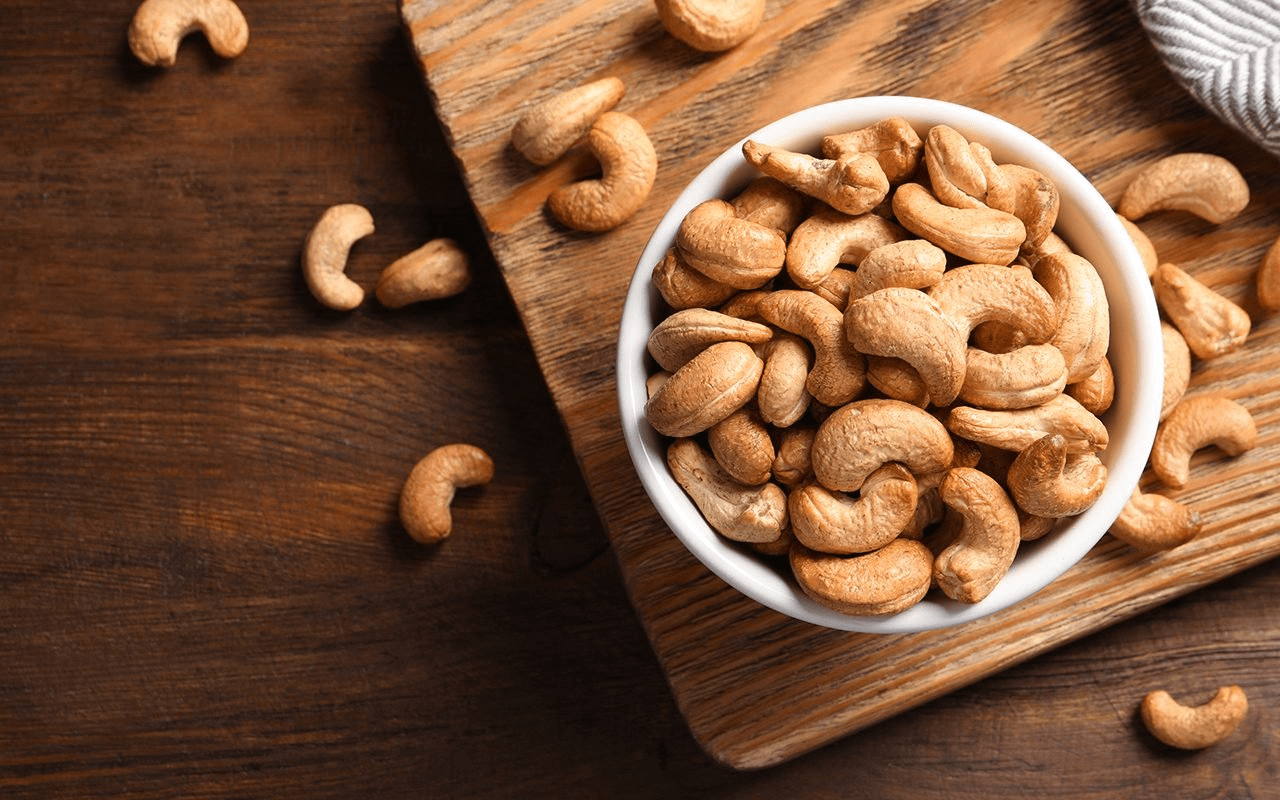
That creamy cashew you love? One generous handful (just 28g) provides almost 70% of the daily phosphorus requirement recommended for people with kidney failure.
When the kidneys are unable to remove excess phosphorus, it accumulates in the blood, stiffening the arteries and further increasing creatinine levels. Many seniors eat cashews daily, thinking they're "heart-healthy." Meanwhile, their kidneys are begging for mercy.
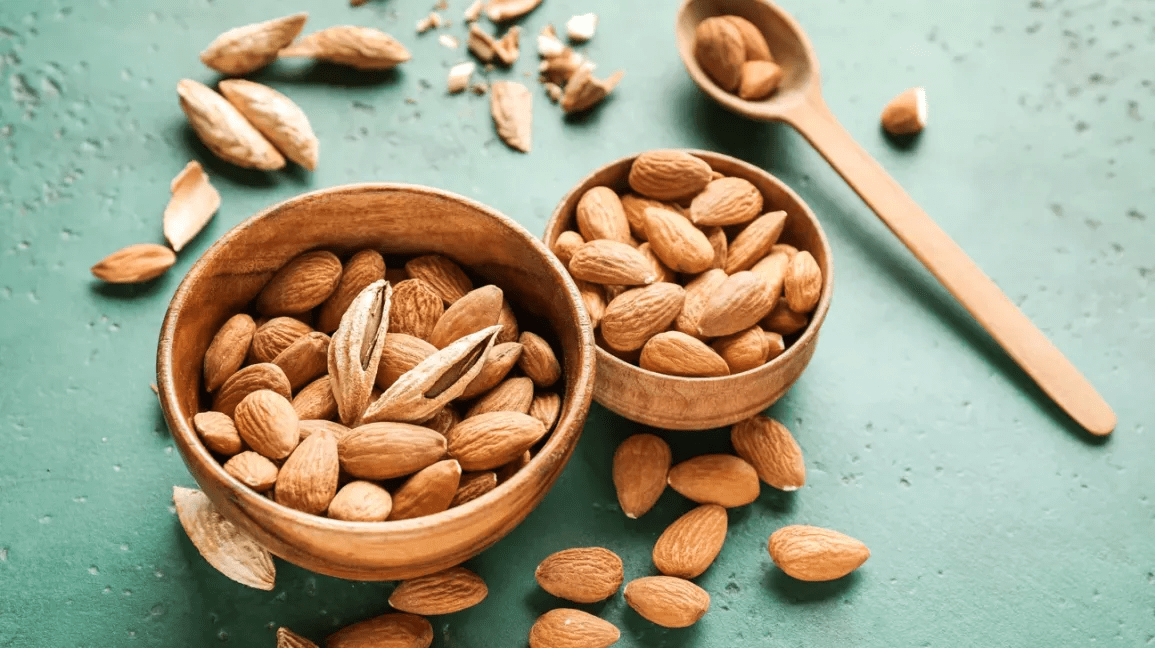
2. Almonds – a hidden source of excess potassium
Yes, almonds are rich in vitamin E and magnesium. They also contain 200 mg of potassium in one small handful.
Eat a few handfuls, along with a banana for breakfast and avocado toast in the afternoon, and you're dealing with hyperkalemia—dangerously high potassium levels that can cause irregular heartbeats in older people with impaired kidney function.
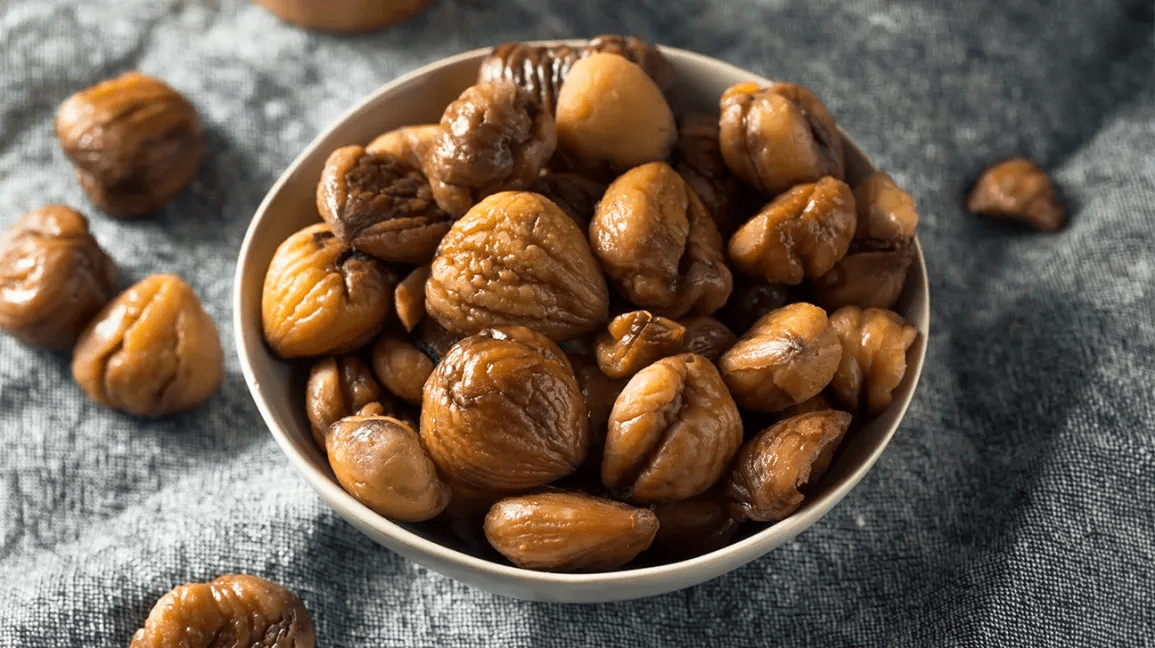
3. Chestnuts – A sneaky double whammy of blood sugar and oxalates
Roasted chestnuts seem delicate and festive, but they are actually starch bombs that quickly raise blood sugar levels, forcing tired kidneys to work harder.
Worse still, they contain massive amounts of oxalates. Just 85–110 ml can provide almost the entire daily dose of oxalates, which contribute to the formation of painful kidney stones—exactly what kidney disease needs.
If any of these three snacks take your fancy, it's time for a loving farewell.
3 Nuts That Protect Your Kidneys from Guilt and That You Can Eat Guilt-Free (And Which Can Lower Creatinine Levels)
1. Freshly ground flaxseed – a gentle daily detox
A 2020 study published in the journal Renal Failure found that consuming 30g (about 2 tablespoons) of ground flaxseed daily lowered creatinine levels by an average of 18% in just 12 weeks.
Rich in soluble fiber and plant-based omega-3 fatty acids, flaxseed binds waste products in the intestines, reducing the need for kidney filtering. Additionally, anti-inflammatory lignans soothe kidney tissue.
Directions: Grind fresh seeds (whole seeds pass through a sieve), store in the refrigerator, then add 1-2 tablespoons to oatmeal, yogurt, or warm water in the morning as your first meal.
2. Macadamia nuts – a luxurious delicacy with low electrolyte content
Macadamias are one of the few nuts that are naturally low in phosphorus and potassium, while being rich in monounsaturated fats that are beneficial for the kidneys—including the rare omega-7 fatty acid (palmitoleic acid).
New research published in the Journal of Functional Foods (2021) shows that omega-7 fatty acids reduce levels of inflammatory cytokines that damage delicate kidney glomeruli.
A safe serving: 5–7 raw, unsalted macadamia nuts mid-morning or mid-afternoon. Their creamy, rich texture satisfies hunger, so you won't reach for inferior options.
3. Walnuts – a proven anti-inflammatory agent
According to the American Journal of Clinical Nutrition, walnuts provide plant-based omega-3 fatty acids, ALA, which lower CRP levels (a major marker of inflammation) by 32% in older adults.
Moderate potassium and phosphorus content and a very high amount of antioxidants make four to five walnut halves one of the safest and most protective treats for aging kidneys.
Best way: Soak overnight or lightly roast, then cut into pieces and add to breakfast or salads.
Kidney-Friendly Nut Chart (Print and Stick to Your Fridge)
| STOP eating often | START EATING RIGHT NOW | Daily safe amount | Key Benefit for the Kidneys |
|---|---|---|---|
| Cashew nuts | Macadamia nuts | 5–7 nuts | Very low phosphorus and potassium content |
| Almonds | Walnuts | 4–5 halves | Strong anti-inflammatory ALA omega-3 acid |
| Chestnuts | Freshly ground linseed | 1–2 tablespoons of ground | Binds waste and lowers creatinine levels by 18% in studies |
The True Transformation of One Reader
Robert, 72, from Tucson
: "My creatinine reached 2.1, and my doctor started recommending dialysis. Overnight, I gave up cashews and almonds, switched to 6 macadamia nuts + 4 walnut halves a day, and added ground flax to my oatmeal. Three months later? Creatinine 1.7 and holding steady. My doctor asked what I had changed!"
Your 24-hour action plan
- Open up your pantry now. Move the cashews, almonds, and chestnuts to the back (or give them to a neighbor with perfect kidneys).
- Order or pick up raw macadamia nuts, walnuts and whole flaxseeds today.
- Grind tomorrow's flaxseed today and share some new, kidney-friendly snacks.
Small exchanges. Huge protection.
Your kidneys filter 180 liters of blood a day – they deserve the best fuel you can give them.
This article is for educational purposes only and does not replace medical advice. Always discuss dietary changes with your nephrologist or physician, especially if you have CKD, are on potassium and phosphate restrictions, or are taking medications that affect electrolyte balance. Regular blood tests remain the only way to safely monitor creatinine levels.



0 Comments:
Post a Comment