
The enigma of nocturnal immobility: when the body refuses to obey
You wake up in the dark, your mind alert but your body inexplicably frozen. This disconcerting phenomenon, often described as a terrifying dreamlike experience, is sleep paralysis. Learn more about how this intriguing phenomenon works and follow our tips for a good night's sleep.
Sleep paralysis: a common but often misunderstood phenomenon
The enigma of nocturnal immobility: when the body refuses to obey
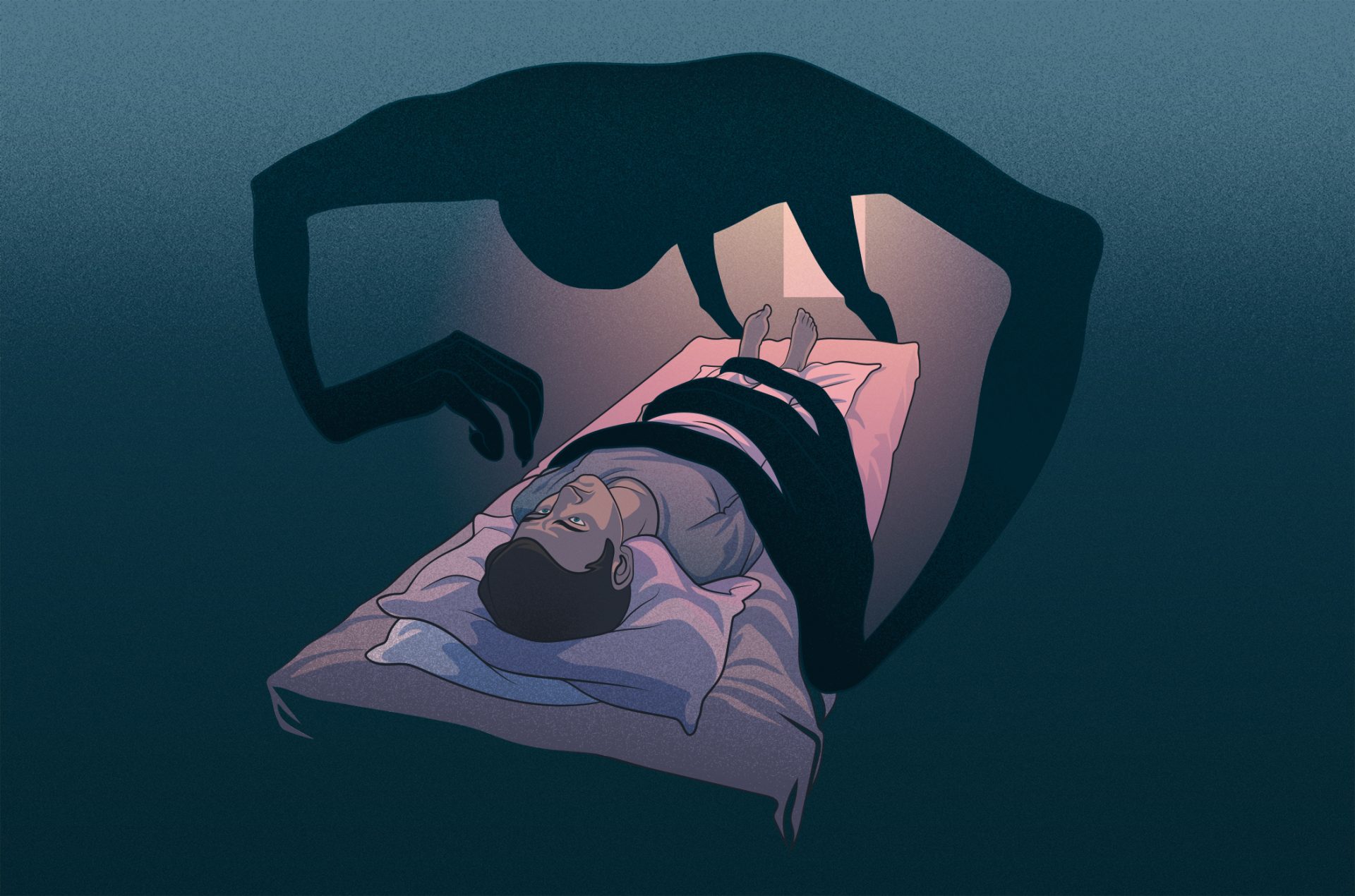
Contrary to popular belief, sleep paralysis is a common and harmless condition. However, it remains a disconcerting experience when it occurs unexpectedly. This particular situation most often occurs while falling asleep or waking up: you are conscious, your eyes may even be open, but your body is no longer responding. Motionless, unable to speak or react, you feel trapped in your body. This disconnect between an awake mind and a paralyzed body often causes intense anxiety.
Adding to the strangeness of the moment, some describe sensory hallucinations. Ominous shadows that seem to spy on you, incomprehensible whispers… All these details give this episode the atmosphere of a wide-eyed nightmare.
Where does this curious phenomenon come from?

Rest assured: you're not going crazy, and there's no supernatural presence involved ( although some urban legends suggest otherwise !). Sleep paralysis is explained by perfectly normal bodily mechanisms. During REM sleep, the phase in which we dream, our brain temporarily freezes our muscles to prevent us from acting out our dreams. During an episode of paralysis, the mind awakens while the body remains under the influence of this inhibition. The result: you're awake... in a sleeping body.
The enigma of nocturnal immobility: when the body refuses to obey
This temporary interruption is often triggered by certain factors: intense stress , lack of sleep, anxiety, irregular schedules, or extreme fatigue. In short, anything that interferes with the quality and regularity of our sleep cycles.
Some tips to limit sleep paralysis episodes

Good news: There are simple steps you can take to reduce, or even eliminate, these alarming moments . The key is to adopt a healthy, regular sleep routine. Here are our most effective suggestions :
-
- Regulate your sleep schedule : Go to bed and wake up at regular times, even on weekends.
- Create a relaxing evening ritual : reading, soft lighting, a relaxing herbal tea ...
- Avoid screens before bed : blue light disrupts the secretion of melatonin, which is essential for falling asleep.
- Manage stress : deep breathing, meditation, yoga… Find what truly calms you.
- Take care of your sleeping environment : a quiet, well-ventilated bedroom with comfortable bedding really makes a difference.
What should be done if paralysis does occur?
Even following these tips, an episode can still occur. The important thing is to stay calm. Of course, it's easier said than done, but understanding what's happening helps enormously to defuse the situation. Focus on your breathing, try moving a finger, a toe ... Little by little, your body will relax and you'll regain control of your movements.



0 Comments:
Post a Comment