
5 Bad Habits That Increase the Risk of Stroke at Night
Stroke does not only happen during the day. In fact, doctors warn that nighttime strokes are more common than many people realize, especially among individuals with unhealthy evening routines. At night, the body naturally slows down, blood pressure fluctuates, and circulation changes. When combined with poor habits, these changes can significantly increase the risk of a stroke while sleeping or resting.
Below are 5 dangerous nighttime habits that doctors say can silently raise the risk of stroke—and what makes them so harmful.
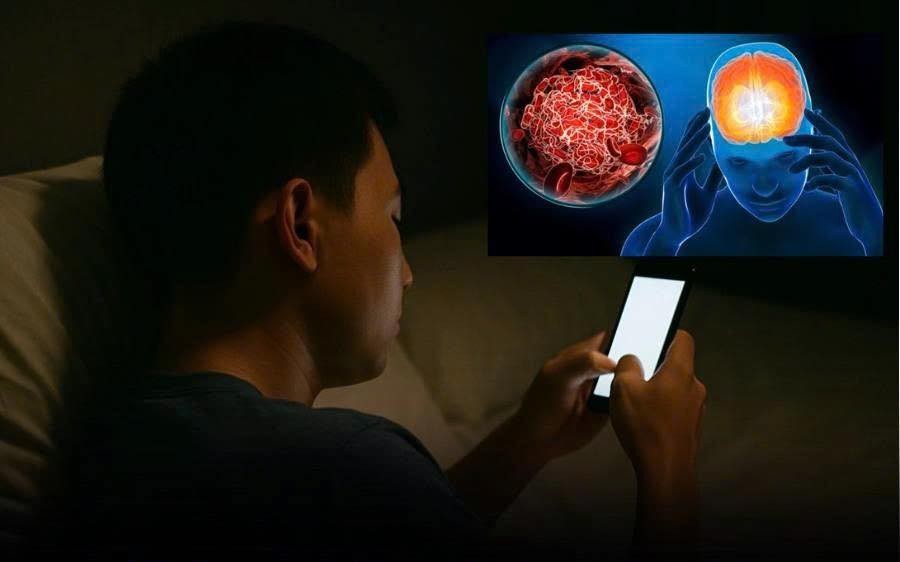
1. Staying Up Late and Sleeping Too Little
Chronic sleep deprivation is one of the strongest but most underestimated stroke risk factors.
When sleep is consistently inadequate:
-
Blood pressure remains elevated at night
-
Stress hormones stay high
-
Blood vessels fail to properly relax
Normally, blood pressure should drop during sleep. People who stay up late, scroll on their phones, or sleep fewer than 6 hours often lose this protective effect, a condition doctors call “non-dipping blood pressure”, which is strongly linked to stroke.
Key warning: Regularly sleeping after midnight significantly increases nighttime stroke risk.
2. Using Phones or Screens in Bed
Looking at a phone in bed is not just bad for sleep—it directly affects the brain and blood vessels.
Screen exposure at night:
-
Suppresses melatonin
-
Overstimulates the nervous system
-
Raises heart rate and blood pressure
-
Disrupts normal brain recovery
Studies show that excessive nighttime screen use increases the risk of blood vessel constriction and clot formation, especially in people with hypertension or diabetes.
Important note: Scrolling in a dark room is even more harmful than daytime screen use.

3. Eating Heavy or Salty Meals Late at Night
Late-night eating places significant stress on the cardiovascular system.
Heavy, greasy, or salty dinners can cause:
-
Sudden spikes in blood pressure
-
Increased blood thickness
-
Fluid retention
-
Higher heart workload during sleep
Salt is particularly dangerous at night because the body processes sodium less efficiently during rest. This can lead to nighttime hypertension, a major trigger for stroke.
Doctors often warn that the worst time to overeat is right before bed.
4. Drinking Alcohol Before Sleeping
Many people believe alcohol helps them sleep, but in reality, it dramatically increases stroke risk at night.
Alcohol:
-
Raises blood pressure
-
Causes heart rhythm disturbances
-
Dehydrates the body
-
Thickens the blood
These effects peak several hours after drinking—often while you are asleep. This is why strokes linked to alcohol frequently occur at night or early morning.
Even small amounts, when consumed regularly before bedtime, can increase long-term stroke risk.
5. Ignoring Nighttime Warning Symptoms
One of the most dangerous habits is ignoring symptoms that appear at night.
Common warning signs include:
-
Sudden dizziness when lying down
-
Numbness in one side of the body
-
Unusual headaches at night
-
Shortness of breath
-
Sudden confusion or blurred vision
Many people choose to “sleep it off,” assuming symptoms will pass. Unfortunately, delaying medical care during a stroke can be fatal or permanently disabling.
Doctors emphasize: Nighttime symptoms are never less serious than daytime ones.

Why Stroke Risk Increases at Night
Several natural changes occur during sleep:
-
Blood pressure fluctuates
-
Blood flow slows
-
Dehydration increases
-
Blood becomes thicker
When combined with unhealthy habits, these changes create the perfect conditions for blood clots or vessel rupture, leading to stroke.
Who Is at Higher Risk
Nighttime stroke risk is especially high for people who:
-
Have high blood pressure
-
Have diabetes
-
Smoke
-
Are overweight
-
Have sleep apnea
-
Experience chronic stress
However, strokes can occur even in young people with poor sleep and lifestyle habits.
 How to Protect Yourself at Night
Doctors recommend simple but powerful changes:
-
Sleep before 11 p.m.
-
Avoid screens at least 1 hour before bed
-
Eat light, low-salt dinners
-
Avoid alcohol at night
-
Drink enough water during the day
-
Seek medical help immediately for nighttime symptoms
These habits help stabilize blood pressure, protect blood vessels, and reduce stroke risk.
Final Thoughts
Stroke does not wait for morning. Many cases happen quietly at night, when people are least prepared. Your nighttime habits play a critical role in protecting—or endangering—your brain and blood vessels.
Changing small routines before bed may seem insignificant, but over time, they can be life-saving. When it comes to stroke prevention, how you end your day is just as important as how you start it.



0 Comments:
Post a Comment