More Stories

Saturday, January 24, 2026

Puis-je enterrer mon animal de compagnie dans mon jardin ?

by

 Puis-je enterrer mon animal de compagnie dans mon jardin ?

Perdre un animal de compagnie, c’est un peu comme voir s’éteindre une petite lumière du quotidien. Ce compagnon qui partageait nos habitudes, nos silences et nos fous rires laisse un vide immense. Quand vient le moment de lui dire adieu, une question délicate surgit souvent, presque instinctivement : peut-on l’enterrer dans son propre jardin ? Derrière cette envie très humaine de garder son animal près de soi se cachent des règles, des précautions et aussi des alternatives auxquelles on ne pense pas toujours.

Enterrer son animal dans le jardin : que dit la loi en France

En France, il est possible d’enterrer un animal de compagnie dans son jardin, mais uniquement sous certaines conditions. La première, et la plus importante, concerne la taille de l’animal : cette pratique est tolérée uniquement si l’animal pèse moins de 40 kilos. Au-delà, la réglementation impose de recourir à des services spécialisés.

Autre point essentiel : le terrain doit vous appartenir. Si vous êtes locataire ou en copropriété, cette option est en principe exclue, sauf accord écrit du propriétaire, ce qui reste peu fréquent. Enfin, l’enterrement doit être réalisé à une distance suffisante des habitations voisines et des points d’eau, afin de préserver l’environnement et le voisinage.

Les règles pouvant varier légèrement selon les communes, consulter le règlement municipal ou contacter la mairie permet d’éviter toute mauvaise surprise dans un moment déjà émotionnellement éprouvant.

Les précautions essentielles pour respecter l’hygiène et l’environnement

Même lorsque la loi l’autorise, l’enterrement dans le jardin ne s’improvise pas. La fosse doit être suffisamment profonde, en général au moins un mètre, afin d’éviter tout désagrément ultérieur. Cette profondeur limite également les interactions avec la faune et contribue à la protection du sol.

Il est conseillé d’envelopper l’animal dans un linge naturel ou un matériau biodégradable, plutôt que dans du plastique. L’objectif est de respecter le cycle naturel tout en préservant la terre de substances polluantes. Il est également préférable d’éviter les zones proches d’un potager, d’un puits ou d’une nappe phréatique : même animée par l’affection, cette démarche doit rester prudente.

Un repère discret, comme une plante ou une pierre, peut permettre de matérialiser l’endroit sans alourdir l’atmosphère du jardin au quotidien.

Quand l’enterrement dans le jardin n’est pas possible

Dans certains cas, enterrer son animal chez soi n’est tout simplement pas envisageable. Heureusement, plusieurs alternatives respectueuses existent aujourd’hui. La crémation animale fait partie des solutions les plus courantes : elle peut être individuelle ou collective, selon le choix des propriétaires.

Certaines personnes choisissent de conserver ou de disperser les cendres dans un lieu symbolique, tandis que d’autres se tournent vers un cimetière animalier, pensé pour offrir un espace dédié au recueillement. Ces options permettent de rendre hommage à son compagnon tout en respectant un cadre réglementé.

Anticiper pour vivre ce moment avec plus de sérénité

Même si le sujet est difficile, anticiper ces décisions peut réellement alléger la charge émotionnelle le moment venu. En parler avec ses proches, se renseigner à l’avance sur les solutions disponibles localement ou noter ses préférences permet d’agir avec davantage de calme et de douceur.

Dire adieu à un animal ne se résume pas à une démarche pratique : c’est aussi un acte d’amour et de respect qui mérite réflexion et bienveillance.

Prendre le temps de choisir la solution qui vous correspond est déjà une manière de continuer à honorer la place unique que votre compagnon occupera toujours dans votre cœur.


Sunday, January 11, 2026

Doctors reveal what eating apples really does to your body

by
Description

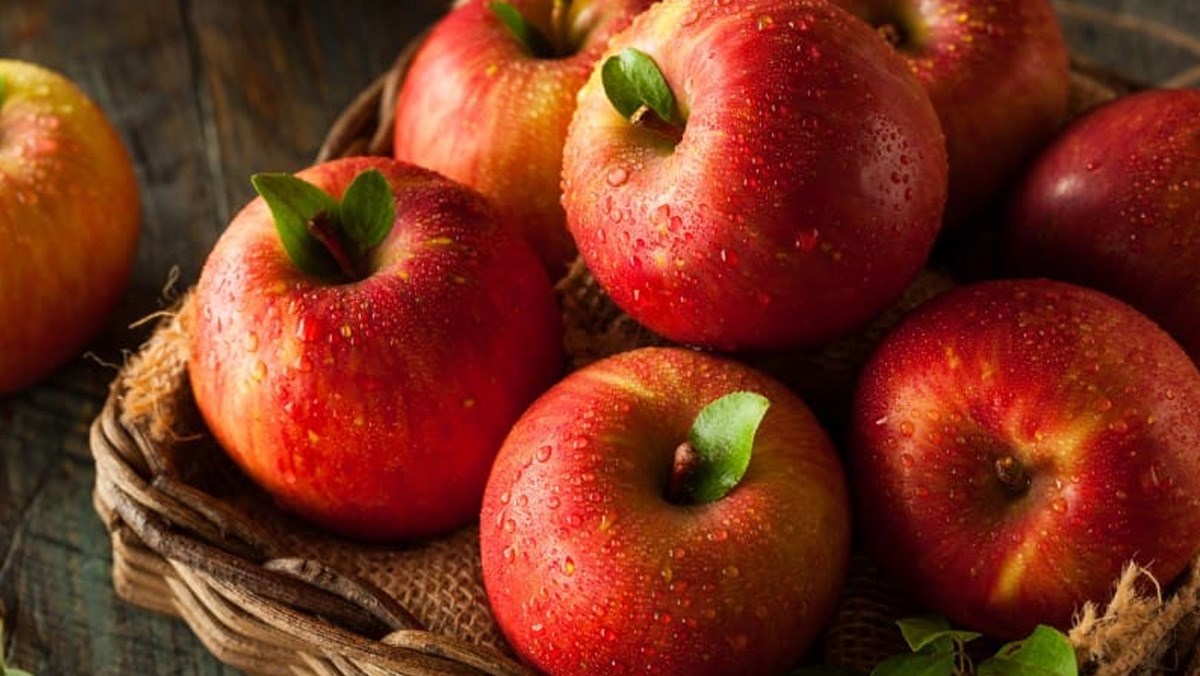
Apples are one of the most widely consumed fruits in the world. Easy to find, affordable, and naturally sweet, they are often seen as a symbol of everyday health. You’ve probably heard the saying, “An apple a day keeps the doctor away.” But what does modern science actually say about eating apples regularly?

Doctors and nutrition experts agree that apples offer a wide range of health benefits when eaten in moderation. However, like all foods, apples are not ideal for everyone. Understanding both their benefits and limitations can help you enjoy apples safely and wisely.

Lợi ích không ngờ của táo với người trên 50 tuổi

What Happens to Your Body When You Eat Apples Regularly?

1. Improved Digestive Health

Apples are rich in dietary fiber, especially pectin, a soluble fiber that supports healthy digestion.

Benefits include:

  • Promotes regular bowel movements

  • Helps prevent constipation

  • Feeds beneficial gut bacteria

  • Supports overall gut balance

Pectin also slows digestion, helping you feel full longer and supporting blood sugar control.

2. Better Heart Health

Doctors often recommend apples as part of a heart-healthy diet.

Apples may help:

  • Lower LDL (“bad”) cholesterol

  • Improve blood vessel function

  • Reduce inflammation

  • Support healthy blood pressure

Flavonoids and polyphenols in apples act as antioxidants, protecting the heart from oxidative stress.

Ăn một quả táo mỗi ngày có tác dụng bất ngờ

3. Blo.od Sugar Stabilization (When Eaten Correctly)

Despite being sweet, apples have a low to moderate glycemic index. The fiber slows sugar absorption, helping prevent sharp blood sugar spikes.

For most people:

  • Apples support steady energy levels

  • Reduce sugar cravings

  • Lower the risk of insulin resistance when eaten whole

Eating apples with protein or healthy fats (like nuts or yogurt) further improves blood sugar balance.

4. Weight Management Support

Apples are low in calories and high in water and fiber, making them filling without being energy-dense.

They can:

  • Reduce overall calorie intake

  • Help control appetite

  • Support healthy weight loss plans

Doctors often recommend apples as a snack instead of processed sweets.

5. Brain and Cognitive Support

Apples contain antioxidants like quercetin, which may help protect brain cells from oxidative damage.

Potential benefits include:

  • Reduced risk of age-related cognitive decline

  • Support for memory and learning

  • Protection against neuroinflammation

While apples aren’t a cure for brain disease, they contribute to long-term brain health as part of a balanced diet.

6. Stronger Immunity

Vitamin C and plant compounds in apples help strengthen the immune system.

Regular consumption may:

  • Support white blood cell function

  • Reduce inflammation

  • Improve the body’s defense against infections

Although apples don’t contain extremely high vitamin C levels, their antioxidants still play an important role.

7. Better Oral Health

Chewing apples stimulates saliva production, which helps reduce harmful bacteria in the mouth.

This can:

  • Reduce plaque buildup

  • Improve breath freshness

  • Support gum health

However, apples do not replace brushing and flossing.

How Many Apples Are Healthy?

Most doctors recommend:

  • 1 medium apple per day, or

  • 3–5 apples per week

This amount provides benefits without excess sugar or digestive strain.

Một quả táo chứa bao nhiêu calo? Ăn táo có thực sự giảm cân? | TIKI


People Who Should Limit or Avoid Apples

While apples are healthy for most people, they are not ideal for everyone.

1. People with Sensitive Digestive Systems or IBS

Apples are high in FODMAPs, which can cause:

  • Bloating

  • Gas

  • Abdominal pain

  • Diarrhea

People with IBS may tolerate cooked apples better than raw ones.

2. People with Severe Acid Reflux (GERD)

Apples are mildly acidic and may:

  • Trigger heartburn

  • Increase acid reflux symptoms

  • Cause stomach discomfort in sensitive individuals

If reflux worsens after eating apples, reduce intake or choose low-acid fruits instead.

3. People with Diabetes Who Overconsume Fruit

Although apples are better than sugary snacks, eating too many can:

  • Raise blo.od sugar levels

  • Disrupt glucose control

People with diabetes should:

  • Limit portion size

  • Eat apples with protein or fat

  • Monitor blood glucose response

4. People with Apple Allergies or Pollen-Food Syndrome

Some individuals experience:

  • Itching or swelling of lips and mouth

  • Throat discomfort

  • Mild allergic reactions

This is often linked to birch pollen allergy. Cooking apples usually reduces reactions.


5. People with Weak Teeth or Enamel Erosion

The natural acids and sugars in apples may:

  • Contribute to enamel wear

  • Increase tooth sensitivity if eaten excessively

Rinsing the mouth with water after eating apples can help protect teeth.


Tips for Eating Apples Safely and Healthily

  • Eat apples with the skin on for maximum fiber and antioxidants

  • Wash thoroughly to remove pesticide residue

  • Avoid apple juice — whole apples are far healthier

  • Combine apples with protein or fat for better blood sugar control

  • Prefer fresh or lightly cooked apples over dried or sweetened versions

Final Thoughts

Doctors agree that apples are a nutritious, convenient, and beneficial fruit when eaten in moderation. They support digestion, heart health, immunity, and weight management. However, they are not suitable for everyone, especially those with digestive sensitivities, acid reflux, or specific allergies.

The key is balance.

Apples are not a miracle cure – but when eaten thoughtfully, they can be a valuable part of a healthy lifestyle.

As always, listen to your body. If apples make you feel good, enjoy them. If they don’t, there are plenty of other fruits that can support your health just as well.

Bí kíp chọn Táo nhập khẩu chất lượng

Tips to get rid of the "silverfish" from our box forever

by
Description

During the cleaning, it was difficult to win the famous “silverfish.” These objects represent the wet and dry areas of our house, and for that reason they stand out especially in the bathroom or near the bookcase.

Silverfish are small, silvery insects that move very quickly, are harmless, and reproduce easily. We then throw them away, because we can still get rid of these insects.

The first tip is to apply some lavender oil to your favorite silverfish from this article. The scent of lavender will envelop the silverfish.

For the complete cooking steps, please go to the next page or open the button (>) and don’t forget to SHARE with your Facebook friends.

You can also place lavender sachets in every corner of the house. To make the aroma even stronger, add a few drops of essential oil. I'll take a day to look at more of these boring things.

Another very effective trick is to prepare a suitable trap for silverfish. I poured some oatmeal into a bowl, which I could not loosen with tape. The starch from the oat flakes attracts the insects, which get stuck and thus enter the bar, but are useless because they fly up onto the glass.

If you see a silverfish nest, simply pour some rubbing alcohol on it to remove it.

If the silverfish have been soaked in wet water, add a little bicarbonate, if possible, to a bath of mature butter to absorb some of the moisture.


For the complete cooking steps, please go to the next page or open the button (>) and don’t forget to SHARE with your Facebook friends.

My mom tried to go back to her hairdresser, but they…..

by
Description

Tipping is a crucial part of the service industry, serving as a way to show appreciation for a service well done. In many societies, it’s a cultural norm and an expected gesture of goodwill. Tipping not only helps compensate service employees, often vital for those earning minimum wage or below, but it also encourages excellent service. However, tipping practices can sometimes be confusing due to variations in expectations across different services and regions.

Understanding the Hairdressing Industry and Tipping Norms

Within the personal grooming sector, hairdressing stands out as a service-oriented industry where tipping is a common practice. Unlike standardized prices for haircuts or treatments, tipping involves a discretionary payment that can differ greatly. The hairdressing industry, noted for its personal and sometimes long-term client-relationship nature, often depends on tips as a significant portion of a stylist’s income. Clients can feel perplexed about how much to tip, influenced by various factors such as service satisfaction, salon policies, and social norms.

Why Tipping Matters: Perspectives of Hairdressers

From the hairdresser’s perspective, tips are more than just extra cash; they’re recognition of effort and skill. Hairdressers invest time and resources in their craft, and many rely heavily on tips to supplement their base pay. For them, a tip represents validation and appreciation, fostering a sense of job satisfaction. A fair tip can also help build rapport between a stylist and client, ensuring continued business and personalized service over time.

What Is Considered a Generous Tip in Hair Salons?

Typically, a generous tip in hair salons ranges between 15% and 25% of the service cost. The standard practice often lands around 20%, aligning with dining norms in restaurants. However, extra services or exceptional experiences may warrant higher tips. Generosity can also be expressed through offering thoughtful gestures or gifts during holidays, acknowledging the personal nature of hairstyling services.

Factors to Consider When Deciding on a Tip Amount

When determining a tip amount, clients should consider several factors: the complexity and quality of the service received, the time spent by the hairdresser, and the salon’s pricing structure. Clients should also reflect on the level of satisfaction they have with their hairstyle, the stylist’s expertise, and any extra accommodations made, such as squeezing them in at short notice. Matches between service value and client gratitude should guide tipping decisions.

How to Handle Uncomfortable Tipping Situations

Uncomfortable tipping situations can arise if expectations aren’t met or if clients feel unsure about the appropriate amount. Direct communication can often help, such as asking the salon about their tipping norms or discussing satisfaction levels candidly with the stylist. If for any reason tipping is a challenge, explaining the situation to the stylist can sometimes lead to understanding. It’s important to handle these conversations with respect and transparency.

International Tipping Practices in Hair Salons

Tipping practices vary widely around the world. For example, in the United States and Canada, tipping is almost mandatory, whereas in places like Japan, it’s often seen as unnecessary or even impolite. European countries have different standards, with tips sometimes included in the bill. Travelers need to be aware of local customs to avoid misunderstandings and to respect cultural practices.

Alternatives to Tipping: Is Gratitude Enough?

While tipping remains a dominant etiquette, some suggest verbal gratitude or positive online reviews as alternatives. Building a longstanding relationship with a stylist might involve complimenting their work to friends, recommending the salon, or giving small, meaningful gifts during festive seasons. However, these alternatives, while appreciated, rarely replace the financial supplement that tips provide, especially in economies where service wages are lower

Conclusion: Striking a Balance Between Gratitude and Fair Compensation

In the intricate dance of client-stylist relationships, finding the right tipping balance is essential. Tipping serves not only to express gratitude but also to ensure fair compensation. Clients should aim to offer tips in line with their satisfaction and monetary abilities, all while considering cultural norms. Balancing gratitude with fair compensation leads to enriched relationships and supports the sustainability of service professions.

Even if you're 70, apply it to your wrinkles – it will stretch your face like glass. Better than Botox!

by
Description

Looking for a natural way to pamper your skin and fight wrinkles? Look no further, flaxseed gel is your ally! Flaxseeds are not only a great addition to your diet, but they also work wonders for skin care. Rich in omega-3 fatty acids, lignans, and antioxidants, flaxseeds can strengthen and repair the skin, potentially reducing the appearance of wrinkles even at the age of 70.
Benefits of Flaxseeds for Skin

Read more on
the next page

For the complete cooking steps, please go to the next page or open the button (>) and don’t forget to SHARE with your Facebook friends.

Natural skin tightening: The omega-3 fatty acids in flaxseed hydrate and firm the skin, smoothing out wrinkles and fine lines.

Antioxidant effect: Flax seeds are rich in antioxidants that fight damage caused by free radicals and slow down the aging process.

Anti-inflammatory effect: The lignans in flaxseeds have anti-inflammatory properties that can reduce redness and swelling, resulting in a more even skin tone.
How to prepare flaxseed gel

Ingredients required:

2 tablespoons whole flax seeds

1 cup water

Read more on
the next page

Instructions:

Boil the seeds: Simmer the flax seeds in water in a small saucepan for 10 to 15 minutes, until the mixture thickens.

Filter the gel: Remove from heat, filter the mixture using a strainer and let it cool.

Storage: Pour the gel into a container and store it in the refrigerator for up to a week.

How to use flaxseed gel to strengthen skin

Apply to clean skin: Massage the gel into wrinkles, such as around the eyes, forehead and mouth.

Leave on: Leave the gel on for 15 to 20 minutes to feel the firming effect.

Rinse: Rinse with lukewarm water and apply a moisturizing cream for extra nourishment.

Read more at

For the complete cooking steps, please go to the next page or open the button (>) and don’t forget to SHARE with your Facebook friends.

For an even stronger anti-aging effect, you can enrich the gel with a few drops of lavender essential oil.

Consistency is key! Apply 2 to 3 times per week for optimal results.

Flaxseed gel is an affordable and natural alternative to Botox, offering a natural way to tighten and rejuvenate the skin. While the effects are not immediate like with injections, regular use can lead to healthier, smoother, and younger-looking skin over time. Pamper your skin with flaxseed gel – it deserves it! 🌿✨

This article is for informational purposes only. Do not self-medicate and always consult a qualified healthcare professional before using any information in this text. The editorial team does not guarantee results and is not responsible for any damage caused by its use.

Read more on the next page


For the complete cooking steps, please go to the next page or open the button (>) and don’t forget to SHARE with your Facebook friends.

The first food you eat in the morning plays a vital role in your health, especially your digestive system

by
Description

Are you missing the most critical step in your morning routine?

The first thing you put into your body sets the stage for your entire day—impacting everything from your energy levels to your digestive health and long-term wellness. If you’re currently reaching for coffee or sugary cereals, you could be unknowingly hindering your body’s natural cleansing processes.

The secret to a robust immune system and a healthy gut begins with the right pre-breakfast fuel.

Switching to foods that are rich in fiber, friendly bacteria (probiotics), and potent antioxidants can help clean out your system, kickstart metabolism, and even contribute to reducing your risk of serious diseases like cancer.

We’ve compiled the ultimate list of four morning powerhouses to consume on an empty stomach to achieve a cleaner gut and a healthier you.


1. Fermented Dairy: The Probiotic Powerhouse

Starting your day with fermented foods is one of the most effective ways to introduce beneficial bacteria to your digestive tract.

The Power of Probiotics

  • Yogurt and Kefir: These are packed with "friendly" bacteria, known as probiotics, which help balance your gut microbiome and improve overall gut function.

  • Optimal Digestion: A healthy gut microbiome, fueled by good bacteria, is essential for proper digestion and nutrient absorption.

  • Tip for Your Morning Meal: Opt for plain yogurt or kefir with live and active cultures and zero added sugar. You can mix in fresh berries or nuts for added fiber and flavor.


2. Water-Rich Fruits and Vegetables: Nature's Internal Cleanser

While plain water is essential for hydration and aiding the movement of stools, certain fruits and vegetables dramatically boost your body's natural cleansing ability.

The Role of Hydrating Produce

  • High Water Content: Foods like watermelon, lettuce, celery, and tomatoes are naturally high in water, which helps hydrate and soften stools, promoting regular bowel movements.

  • Vitamin C Boost: Consuming Vitamin C-rich foods has been found to aid in colon cleansing. Many fruits and vegetables are naturally rich in this powerful antioxidant.

  • Getting Your Fiber: Fruits and vegetables are excellent sources of fiber, which is crucial for promoting a healthy colon.

  • Morning Idea: Blend water-rich produce into a simple juice or smoothie for a rapid dose of hydration and nutrients.


3. Whole Grains and Oats: The Fiber Foundation

Fiber is the single most important nutrient for a clean, efficient digestive tract, and whole grains are one of the best ways to get it first thing in the morning.

Why Fiber is Essential for Gut Health and Cancer Prevention

  • Optimal Colon Function: The colon requires at least 25-30 grams of fiber daily for optimal function. Whole grains like oatmeal provide plenty of fiber and other nutrients.

  • Gut Bacteria Feast: When gut bacteria ferment fiber, they produce short-chain fatty acids. These molecules encourage proper function in the cells lining the colon, where a large percentage of our immune cells live.

  • Lowering Cancer Risk: A diet focused on plant-based foods, including whole grains, is a key dietary recommendation for reducing cancer risk. Resistant starches, found in grains and legumes, have also been shown to reduce the risk of colon cancer.

  • The Perfect Breakfast: Porridge or whole-grain cereal is a fantastic way to start the day, providing both fiber and complex carbohydrates.


4. Leafy Greens: The Detoxifying Antioxidant Source

Don't save your greens for lunch! Leafy vegetables, even in a morning smoothie, deliver exceptional benefits for detoxification and cancer defense.

The Detoxification and Immune Link

  • Fiber and Nutrients: Greens like spinach and kale are excellent sources of fiber, Vitamin C, Vitamin K, and folate.

  • Feeding Good Bacteria: Leafy greens contain a specific type of sugar that actually helps fuel the growth of healthy gut bacteria.

  • Cancer Fighters: Foods that reduce inflammation, such as leafy greens, are part of a cancer-reducing diet. Collard greens, for example, may lower the risk of breast, colon, and lung cancers due to sulfur-containing compounds.

  • Morning Idea: Toss a handful of spinach or kale into your morning smoothie. The nutrients are potent, but the flavor is easily masked by fruit!


Final Takeaway for a Healthier Morning

Making these simple shifts to your first meal can create a huge positive impact on your internal environment. By prioritizing probiotic-rich, high-fiber, and antioxidant-loaded foods on an empty stomach, you’re not just eating breakfast—you’re actively cleansing your gut, boosting your digestion, and fortifying your body against disease.

The "Monotonous" Morning Meal: A Man Eats the Same Thing Every Morning—And His Doctor Exclaims, "You’re the Healthiest Patient I’ve Ever Seen!"

by
Description

In a world obsessed with dietary trends, constant variety, and complex meal prepping, the story of one man's remarkably simple morning routine is turning conventional wisdom on its head.

Meet David, a seemingly ordinary individual whose commitment to eating the exact same breakfast every single day has yielded extraordinary health results. When his annual physical revealed near-perfect markers for heart health, blood pressure, and vitality, his doctor’s reaction was one of pure astonishment: "You’re the healthiest patient I’ve ever seen!"

This isn't a story about a fad diet or a complex supplement regime. It's about consistency, nutrient density, and the overlooked power of simplicity in securing long-term health.

The Breakfast That Shocked the Doctor

So, what is the magical meal David eats? It’s a powerful, straightforward combination built around three key, accessible ingredients:

  1. Oatmeal (The Foundation): A generous serving of plain, slow-cooked rolled oats.

  2. Berries (The Antioxidant Boost): A handful of fresh or frozen blueberries, raspberries, or mixed berries.

  3. Nuts and Seeds (The Healthy Fats): A sprinkle of walnuts, chia seeds, and/or flaxseeds.

That’s it. No sugar, no exotic powders, and no unnecessary complexity. This meal is a nutritional powerhouse that directly addresses some of the most common chronic health issues facing modern society.


Why This Simple Meal Is a Health Game-Changer

David’s breakfast isn't just easy; it's scientifically brilliant. The combination of these three elements creates a synergistic effect that promotes longevity, protects the heart, and optimizes the digestive system.

1. The Power of Oatmeal: Lowering Cholesterol and Stabilizing Blood Sugar

Oats are far more than just a source of carbohydrates; they are packed with a specific type of soluble fiber called beta-glucan.

  • Heart Health: Beta-glucan is renowned for its ability to bind with cholesterol in the digestive system, preventing its absorption and thereby significantly lowering LDL ("bad") cholesterol levels.

  • Diabetes Prevention: Since soluble fiber slows down digestion, it prevents rapid spikes in blood sugar, promoting stable energy throughout the morning and reducing the risk of type 2 diabetes.

  • Satiety: The fiber content keeps you feeling full for longer, making overeating later in the day less likely.

2. Berries: The Ultimate Antioxidant Shield

Berries are loaded with antioxidants, particularly anthocyanins, which are responsible for their vibrant colors.

  • Fighting Inflammation: Antioxidants are crucial for neutralizing harmful free radicals in the body, reducing systemic inflammation—the underlying cause of most chronic diseases, including heart disease and cancer.

  • Cognitive Boost: Studies suggest that regular consumption of berries can protect brain health and improve memory.

  • Immune System Support: High levels of Vitamin C and other micronutrients in berries strengthen the immune system, helping the body ward off illness.

3. Nuts and Seeds: The Healthy Fat and Fiber Duo

Adding nuts and seeds transforms this simple breakfast into a complete meal, offering essential healthy fats and an extra dose of fiber.

  • Omega-3 Fatty Acids: Walnuts and flaxseeds are excellent sources of Omega-3s, which are essential polyunsaturated fats known to reduce inflammation and promote cardiovascular health.

  • Gut Health: Seeds like chia and flax provide both soluble and insoluble fiber, which act like a broom in the gut, promoting regularity and supporting a healthy microbiome.

  • Mineral Rich: Nuts and seeds are also concentrated sources of magnesium, zinc, and Vitamin E, vital for bone health and immune function.


The Takeaway: Consistency Trumps Complexity

David’s remarkable health isn't due to luck; it’s a testament to the power of daily, consistent nourishment. By choosing a breakfast that is low in saturated fat, high in fiber, and dense in antioxidants, he created a biological foundation for optimal health.

The Lesson: You don't need a complicated, expensive, or ever-changing diet to be healthy. Finding one simple, nutritionally balanced meal you can stick with every morning can be the single most effective step toward achieving the kind of glowing health that makes doctors cheer.

Come whiten your teeth in 2 minutes?

by
Description

Garlic contains a compound called allicin, known for its powerful antibacterial properties. It helps:

Eliminate bacteria that cause bad breath
Reduce plaque and gum inflammation
Reduce yellowing caused by bacterial buildup

Baking soda: a natural ally for a smile
Used in moderation, it acts as a gentle abrasive that:

Removes surface stains (coffee, tea, wine, etc.)
Neutralizes acids that attack enamel
Smoothes and polishes teeth for a brighter effect
Quick recipe: your whitening paste in 2 minutes

see the following pages on the following pages

THE SECRET JELLY! Asian Women Swear By This "Tree Gum" for Flawless Skin and Eternal Youth—And Your Doctor Has NEVER Told You About It!

by
Description

Peach tree resin, known as Tao Jiao (桃胶) in Chinese, is a natural sap that seeps from the bark of peach trees and hardens into golden, crystal-like pieces. For centuries, it has been valued in Chinese cuisine and traditional wellness practices, often referred to as “plant collagen” because of its jelly-like texture when cooked.

Once soaked and prepared, peach resin becomes soft, translucent, and gentle on the body, making it a popular ingredient in both sweet and nourishing recipes.

Let’s take a look at the most interesting benefits of peach tree resin and how you can use it at home.

🌿 Most Interesting Benefits of Peach Tree Resin

1. Supports Healthy, Glowing Skin

Peach resin is rich in natural polysaccharides that help support skin hydration, elasticity, and a smooth appearance.

2. Helps Hydrate the Body from Within

When consumed as a soup or drink, it provides long-lasting hydration, especially helpful in dry climates or during winter.

3. Aids Gentle Detox Support

Traditionally used to support liver function and help the body eliminate waste naturally.

4. Supports Digestive Comfort

Its soft, gel-like texture soothes the digestive tract and may help with mild bloating or stomach discomfort.

5. Naturally Low in Calories

Peach resin contains no fat or sugar and helps create a feeling of fullness, which may support balanced eating habits.

6. Cooling Effect in Traditional Use

In traditional Chinese wellness, Tao Jiao is believed to help cool the body, making it popular during hot weather.

7. May Help Reduce Internal Inflammation

Often used to calm the gut and support overall internal balance.

8. Gentle and Easy to Digest

Suitable for people with sensitive digestion due to its mild, soothing nature.

9. Supports Women’s Wellness

Traditionally used by women to support skin radiance and overall balance.

10. May Promote Better Sleep

Some people report a calming effect when consumed regularly, especially in warm evening recipes.

11. Supports Circulation and Vitality

Believed to help maintain healthy blood flow and energy levels.

12. Traditionally Used for Overall Longevity

Valued as a nourishing, restorative ingredient rather than a stimulant.

🥣 Best Homemade Ways to Use Peach Tree Resin

Step 1: Soak the Resin

  • Take 1 tablespoon of dried peach resin
  • Soak in clean water for 10–12 hours (overnight)
  • It will expand significantly and turn jelly-like
  • Remove dark impurities and rinse well

1: Peach Resin Dessert Soup

  • Boil soaked resin with water
  • Add red dates, goji berries, or rock sugar
  • Simmer 20–30 minutes until soft

A classic, gentle dessert often enjoyed warm.

2: With Milk or Plant-Based Milk

  • Simmer the resin with water
  • Add coconut milk, almond milk, or oat milk
  • Sweeten lightly with honey or maple syrup

Creamy, comforting, and nourishing.

3: Add to Smoothies

  • Cook the soaked resin first
  • Add a spoonful to fruit smoothies for texture and hydration support

Option 4: Simple Herbal Drink

  • Simmer resin with ginger or dried pear
  • Drink warm, especially during cooler seasons

⚠️ Precautions & Important Notes

  • Peach tree resin is not a medicine and should be used as a food ingredient.
  • Start with small amounts, especially if trying it for the first time.
  • Not recommended during pregnancy unless advised by a healthcare professional.
  • People with digestive disorders should consult a professional before regular use.
  • Always clean and soak the resin properly before cooking.

Why didn’t I think of this sooner?!

by
Description

Decorating a home can be a daunting task, especially when you’re on a tight budget. Window treatments, in particular, can be surprisingly expensive, yet they play a crucial role in defining the aesthetics and ambiance of a room. If you’re finding it hard to afford new window curtains, don’t worry. There are creative and cost-effective alternatives that can help you achieve a stylish look without breaking the bank. One such alternative is using luxe shower curtains as window drapes.

Exploring Affordable Alternatives to Traditional Window Curtains

When it comes to window treatments, traditional curtains and drapes can be quite pricey, especially if you’re looking for high-quality materials and designs. However, there are numerous affordable alternatives that can still provide the elegance and functionality you desire. From repurposing fabric to using unconventional materials, the possibilities are endless. One innovative solution is to use shower curtains, which are not only budget-friendly but also come in a variety of designs and materials that can mimic the look of more expensive window treatments.

The Versatility of Luxe Shower Curtains as Window Treatments

Shower curtains are incredibly versatile and can be a chic alternative to traditional window curtains. They are available in a wide range of styles, colors, and patterns, allowing you to find the perfect match for your decor. Luxe shower curtains, in particular, often feature high-quality materials and sophisticated designs that can elevate the look of any room. Additionally, shower curtains are typically water-resistant and durable, making them a practical choice for areas with high humidity or direct sunlight.

Creative Ways to Hang Shower Curtains as Window Drapes

Hanging shower curtains as window drapes can be done in several creative ways to ensure they look intentional and stylish. Consider using clip rings or curtain hooks to attach the shower curtain to a standard curtain rod. This method allows for easy adjustment and gives the appearance of traditional drapes. Alternatively, you can use tension rods for a no-drill solution, which is perfect for renters or those who want to avoid wall damage. For a more tailored look, you can sew a rod pocket into the top of the shower curtain or use curtain rings with clips for a pleated effect.

Choosing the Right Shower Curtain Design for Your Space

Selecting the right shower curtain design is crucial to achieving a cohesive and stylish look. Consider the color scheme and overall aesthetic of your room when choosing a curtain. For a minimalist or modern space, opt for solid colors or subtle patterns. If your decor is more eclectic or bohemian, you might choose a curtain with bold prints or vibrant colors. Additionally, consider the material of the shower curtain; fabric curtains tend to drape more naturally and provide a softer look compared to vinyl or plastic options.

Incorporating Accessories to Enhance the Look

To further enhance the appearance of your shower curtain window treatment, consider incorporating accessories. Tiebacks or holdbacks can add a touch of elegance and allow you to control the amount of light entering the room. Adding a valance or a decorative scarf over the top of the curtain can also create a layered look that adds depth and interest. If privacy is a concern, consider pairing the shower curtain with a sheer curtain or blind underneath to maintain privacy while still allowing natural light to filter through.

DIY Solutions for a Custom Fit and Finish

If the shower curtain you choose doesn’t perfectly fit your window, there are several DIY solutions to customize it. You can hem the bottom of the curtain to the desired length using a sewing machine or fabric adhesive. For a more polished finish, consider adding a decorative trim or fringe to the edges of the curtain. If the curtain is too narrow for your window, you can sew two curtains together or add fabric panels to the sides to achieve the desired width.

Maximizing Natural Light While Maintaining Privacy

One of the main functions of window treatments is to balance natural light and privacy. When using shower curtains, consider their opacity and how they affect light filtration. If you want to maximize natural light, opt for lighter-colored or semi-transparent curtains. For rooms where privacy is a priority, such as bedrooms or bathrooms, choose thicker or darker curtains. You can also layer a sheer curtain underneath the shower curtain to allow light in while maintaining privacy.

Budget-Friendly Tips for Curtain Rods and Hardware

Curtain rods and hardware can add up in cost, but there are budget-friendly options available. Consider using tension rods, which are inexpensive and easy to install without tools. For a more decorative look, you can find affordable curtain rods at discount stores or online retailers. If you’re feeling crafty, you can even create your own curtain rod using materials like wooden dowels or metal pipes. Don’t forget to look for sales or discounts on curtain rings and hooks to complete your window treatment setup.

Conclusion: Achieving Style and Functionality on a Budget

Decorating your home on a budget doesn’t mean you have to compromise on style or functionality. By thinking outside the box and considering alternatives like luxe shower curtains, you can create beautiful and effective window treatments that enhance your space. With a little creativity and some DIY effort, you can achieve a look that is both stylish and practical, all while staying within your budget. So go ahead and explore the possibilities of using shower curtains as window drapes, and enjoy the transformation they bring to your home.

The Power Mineral: 17 Foods That Naturally Boost Magnesium to Prevent High Blood Pressure, Blood Clots, and Muscle Fatigue

by
Description

Magnesium is a true superstar of the mineral world, essential for hundreds of bodily processes, yet it's often called the "invisible deficiency" because so many people don't get enough of it.

If you struggle with mysterious muscle cramps, persistent fatigue, or concerns about your cardiovascular health, the solution might be as simple as adding more magnesium-rich foods to your plate.

This powerhouse mineral plays a critical role in relaxing blood vessels (which helps lower high blood pressure), regulating nerve and muscle function (preventing cramps), and even ensuring proper energy production .

Below, we reveal 17 accessible and delicious foods that are high in magnesium, helping you naturally fortify your body against some of the most common chronic ailments.


Why Magnesium is Non-Negotiable for Your Health

Magnesium is a vital co-factor in over 300 enzyme systems that regulate diverse biochemical reactions in the body, including:

  • Heart Health and Blood Pressure: Magnesium acts as a natural calcium channel blocker, helping to relax the smooth muscles in your artery walls. This vasodilation effect is key to lowering blood pressure. It is also essential for maintaining a normal heart rhythm.

  • Muscle and Nerve Function: It competes with calcium to relax muscles after contraction. Deficiency is a common cause of nighttime leg cramps and muscle fatigue.

  • Preventing Blood Clots: Magnesium helps prevent the abnormal formation of blood clots, supporting smoother blood flow and reducing cardiovascular risk.

  • Energy Production: It is required to create ATP (adenosine triphosphate), the primary source of energy in your cells.


17 Magnesium-Rich Foods to Boost Your Intake

You don't need expensive supplements to meet your daily magnesium requirements. Simply incorporate these foods into your regular diet:

🌿 Seeds, Nuts, and Grains (The Magnesium Kings)

These categories often contain the highest concentration of the mineral per serving.

  1. Pumpkin Seeds: One of the best sources; a small serving provides a significant amount of your daily needs.

  2. Chia Seeds: Excellent source, also rich in fiber and omega-3 fatty acids.

  3. Flaxseeds: Great source, often mixed into oatmeal or smoothies.

  4. Almonds: A convenient, portable snack that provides a good magnesium boost.

  5. Cashews: Offer a slightly sweeter flavor and are packed with the mineral.

  6. Buckwheat: A pseudograin that is a fantastic source, often used as a gluten-free flour alternative.

  7. Quinoa: A complete protein and great source of magnesium.

🥬 Leafy Greens and Vegetables (Green Power)

Green vegetables are high in magnesium because the mineral is essential to the chlorophyll molecule, which gives plants their color.

  1. Spinach: High in both magnesium and iron. Best consumed cooked, as cooking reduces the oxalate content, improving mineral absorption.

  2. Swiss Chard: A flavorful green that is highly nutrient-dense.

  3. Kale: An easy addition to smoothies or salads.

  4. Avocado: A delicious, high-fat fruit that offers a good magnesium contribution.

🍫 Legumes and Chocolate (Surprising Sources)

  1. Black Beans: Excellent source of magnesium, fiber, and protein.

  2. Lentils: Versatile and packed with minerals.

  3. Edamame: A convenient snack that is easy to prepare.

  4. Dark Chocolate (70%+ Cacao): Not only a treat but a surprisingly rich source of magnesium and potent antioxidants.

🐟 Fish and Dairy (Animal Sources)

  1. Salmon (Wild-Caught): Provides magnesium along with heart-healthy omega-3s.

  2. Low-Fat Yogurt: A good way to increase both magnesium and calcium intake.


🥗 Simple Steps to Boost Your Magnesium Intake

  • Swap Snacks: Replace chips or processed snacks with a handful of almonds or cashews.

  • Start the Day Right: Add a spoonful of chia seeds or flaxseeds to your morning oatmeal or yogurt.

  • Go Green: Add a large handful of spinach to your eggs or smoothie for an easy, impactful boost.

By consistently including these 17 foods in your diet, you are naturally safeguarding your health, promoting optimal cardiovascular function, and ensuring your muscles and nerves operate smoothly, making high blood pressure, blood clots, and muscle fatigue less of a concern.

IS YOUR CHICKEN SAFE? 🤢 5 Things You MUST Check on a Walmart Rotisserie Chicken Before You Feed It to Your Family!

by
Description

Rotisserie chicken is a convenient, ready-to-eat option that many people love. Walmart’s rotisserie chickens are particularly common because of their affordability and availability. However, before you grab one off the shelf, there are several crucial things you should check to make sure the chicken is safe, fresh, and a healthy choice for you and your family.


1. Examine the Production and Expiration Date


The first thing you should always do is examine the label for the production and expiration dates. Rotisserie chickens are perishable, and consuming chicken that is past its prime can lead to foodborne illnesses. Make sure the chicken was prepared recently and that it hasn’t been sitting on the shelf for too long. If the label is missing or unclear, it’s better to select another chicken to be safe.


2. Ensure Proper Storage Temperature


Rotisserie chickens must be stored at safe temperatures to prevent bacterial growth. Check that the chicken is kept in a refrigerated display, ideally below 40°F (4°C). Avoid picking up chickens from a warmer display or those that look like they’ve been sitting out for a while. Improper storage can cause to salmonella or other bacterial infections, which can cause severe illness.


3. Inspect the Packaging


The packaging can tell you a lot about the chicken’s condition. Ensure the bag or container is intact with no tears, leaks, or signs of tampering. Damaged packaging increases the risk of contamination and spoilage. Also, make sure the container is clean and dry, as moisture or residue on the outside may indicate improper handling.


4. Observe the Color and Smell


Fresh rotisserie chicken should have a golden-brown color with a natural aroma. Avoid chickens with unusual odors, slimy textures, or discoloration such as gray or greenish patches. These are war:ning signs that the chicken may be spoiled. Trust your senses if something seems off, it’s not worth the risk.


5. Review Ingredients and Additives


Many store-bought rotisserie chickens include added ingredients, such as preservatives, salt, or flavor enhancers. While these can improve taste and shelf life, consuming too much sodium or artificial additives may not be ideal for your health. Take a moment to read the ingredient list and nutritional facts, especially if you are watching your sodium intake or trying to eat more naturally.


Bonus Tip: Consider Homemade Alternatives


If you frequently buy rotisserie chicken, you might also consider making one at home. Homemade rotisserie-style chicken allows you to control the seasoning, avoid additives, and ensure freshness. It may take more effort, but it’s often healthier and can be just as convenient if prepared in advance.


Conclusion


Walmart’s rotisserie chicken is a convenient meal solution, but it’s important to stay vigilant about freshness, safety, and nutrition. By checking the production and expiration dates, ensuring proper storage, inspecting the packaging, observing color and smell, and reviewing ingredients, you can make a more informed choice. These small precautions can protect your health and ensure you enjoy a delicious, safe meal every time.

Ladder: Can you see it going up or down?

by
Description

Who would have thought that a simple image could sow doubts... and tell us so much? When we look at a staircase, some people feel like they're going up, others down, as if our minds were choosing a direction before we even thought about it. What if this first impression revealed something subtle yet profoundly revealing about our approach to our days? Stop for a moment, look at the image... and let yourself be transported.


see the continuation on the next page

How an optical illusion can reveal your inner state

We've all experienced that strange moment when an image seems to change meaning depending on our mood. Stairs are a prime example: we see them go up, then down... as if our gaze reflects what we're feeling without our expressing it. This little visual puzzle isn't meant to determine who's "seeing things correctly," but rather to open a door: the door to our feelings.


If you see a ladder going up

Sometimes you see immediate progress, like a natural ascent. If this is your first impression, it could be because you're experiencing a period of positive energy, the kind that inspires you to look to the future with enthusiasm. You enjoy setting new goals, imagining tomorrow, and, above all, moving forward step by step, even when the challenges multiply.

see the continuation on the next pageYour inner drive is a true resource: a small flame that guides you, discreet but constant. Like many people who love to push their limits, you sometimes forget to take a break. Even a positive climb requires energy. So yes, we keep going, but we also take a moment to admire the view, savor what we've already accomplished, and recognize each step forward.

If you see a ladder going down

Perhaps your gaze spontaneously shifts toward a gentle, calm descent. There's nothing to worry about: it could simply reflect a need to slow down, reconnect with yourself, and organize your thoughts. For you, exploring your inner self is as valuable as exploring the outside world. You enjoy understanding, feeling, and analyzing things subtly, as if this descent leads to a more peaceful space. 


Your relationships often play a central role in your well-being: a conversation with a loved one, a thoughtful gesture, a simple moment… these are the things that recharge you. You have a knack for connecting with people and offering discreet yet valuable support. The only caveat? Don't stay in this familiar cocoon for too long. Sometimes, a step toward something new brings an unexpected breath of fresh air.

see the continuation on the next page

What does this perception (kindly) say about you?

Watching the stairs go up or down doesn't place you in any category. It's simply a subtle way to assess your current energy level: whether you're inclined toward momentum and movement, or toward subtlety and introspection. These two dynamics are complementary and can alternate depending on the period you're going through.

see the continuation on the next page

What Happens to Your Body When You Eat 6 Roasted Garlic Cloves Every Day

by
Description

Garlic has been revered for its medicinal properties for millennia, earning its place in both ancient medicine cabinets and modern kitchens. But while raw garlic is a known powerhouse, its pungent flavor often makes daily consumption challenging.

The surprising solution? Roasting.

Roasting garlic sweetens its flavor and mellows its sharpness, making it easy to consume six cloves daily. Crucially, the process preserves many of the key compounds responsible for its incredible health benefits, allowing you to unlock its full potential without the burn.

When you commit to eating six roasted garlic cloves every day, you are initiating a cascade of powerful, positive changes across your entire body.


1. The Cardiovascular Cleanse: Protecting Your Heart

Garlic's most well-known benefits lie in its powerful effect on the cardiovascular system.

  • Blood Pressure Reduction: Consuming garlic consistently has been scientifically shown to help lower high blood pressure. The sulfur compounds in garlic, such as allicin, encourage the production of nitric oxide, which signals the smooth muscles in your arteries to relax and widen (vasodilation).

  • Cholesterol Improvement: Garlic can moderately lower LDL ("bad") cholesterol and triglyceride levels, directly reducing plaque buildup and the risk of heart attack and stroke.

  • Preventing Clots: The sulfur compounds also act as natural anti-coagulants, helping to thin the blood and prevent the formation of dangerous blood clots.


2. The Immune System Supercharge

If you find yourself constantly battling colds and flu, daily roasted garlic might be your best defense.

  • Antiviral and Antibacterial Power: Garlic is a natural, broad-spectrum antimicrobial agent. Allicin, its primary active compound, works to kill or inhibit the growth of numerous pathogens, including bacteria, fungi, and viruses.

  • Disease Prevention: Regular intake can significantly boost the function of immune cells, helping the body recognize and destroy foreign invaders more efficiently.


3. The Anti-Inflammatory and Antioxidant Shield

Chronic inflammation is the silent enemy behind most modern chronic diseases, from arthritis to cancer. Garlic is a potent natural warrior against this threat.

  • Cellular Protection: Garlic is loaded with antioxidants that scavenge harmful free radicals in the body. This protects your cells and DNA from oxidative damage, a key driver of aging and disease.

  • Reduced Inflammation: Compounds like diallyl disulfide (DADS) and diallyl trisulfide (DATS) found in garlic have strong anti-inflammatory effects, helping to soothe pain and reduce swelling throughout the body.

  • Cancer Inhibitor: Multiple studies suggest that the sulfur compounds in garlic can inhibit the growth of certain cancer cells, particularly those found in the colon, breast, and stomach.


4. Enhanced Detoxification and Liver Health

The liver is your body's primary filter, and garlic provides it with crucial support.

  • Sulphur Support: The high sulfur content in garlic aids the liver's Phase II detoxification pathway. Sulfur is necessary for the production of glutathione, often called the body's "master antioxidant" and detoxifying agent.

  • Gut Health: While often overlooked, a healthy gut is central to detoxification. Garlic acts as a prebiotic, feeding the beneficial bacteria in your gut, which improves overall digestive health and nutrient absorption.


How to Easily Consume 6 Roasted Cloves Daily

Roasting transforms garlic's flavor and texture:

  1. Roasting: Cut the top off a whole bulb of garlic, drizzle with olive oil, wrap in foil, and roast at 400°F (200°C) for about 30–40 minutes until soft and golden.

  2. Eating: Simply squeeze the soft, sweet cloves out and spread them on toast, mash them into scrambled eggs, mix them with pasta or hummus, or just eat them plain.

By making this small, flavorful adjustment to your diet, you harness one of nature's most powerful medicines to achieve better heart health, stronger immunity, and enhanced cellular protection.

No more constipation, no more bloating: 3 foods I eat for breakfast every day 👇

by
Description

Honestly, I never imagined breakfast could play such a role. It's just oatmeal, bread, coffee… like everyone else's. But over the years, mornings have changed.   I woke up not to an alarm clock, but to a feeling of heaviness in my stomach. Not rested, but as if someone had placed a rock in my stomach.

I didn't want to bend down. I was afraid to eat breakfast. My stomach was sometimes bloated, sometimes it growled, and the toilet? It was like a lottery. Either complete silence, or hours of waiting with no results. Maybe it was stress? Or age? I thought. Or maybe… what did I eat this morning?

I never imagined my morning routine could slow my bowel movements so much. And this change doesn't start with medications, enemas, or herbal teas, but with what's on my plate. My breakfast plate, however ordinary it may be.

And so… It took me a few weeks to discover which three foods made my gut work perfectly. But before that, there was a whole story.

When your stomach feels like a cork in the morning, I used to think it was normal. You can't be "on time" every day, right? Honestly, I never imagined breakfast could play such a role. It's just oatmeal, bread, coffee... just like any other. But over the years, mornings have changed. I woke up not to the alarm clock, but to a feeling of heaviness in my stomach. Not rested, but as if someone had put a rock in my stomach.

For detailed preparation instructions, please go to the next page or click the (>) button. Don't forget to SHARE this recipe with your friends on Facebook.

I thought that was normal. You can't be "on time" every day, right?… See more on the next page. I've noticed something: food that works isn't dry and cold. It's neither spicy nor heavy.

They seem to whisper to the body, "Wake up calmly, don't be afraid, I am here." Mornings with products like these are like a gentle awakening—not with the sound of an alarm clock, but with the sound of rain and the smell of warm bread. I repeated these snacks. And I discovered that three products worked every time. Not occasionally, not randomly, but consistently.

Simple, inexpensive, old-fashioned.

It's magic! Listen to your body. Notice its sensations. And then share: what did you feel? What changed? Or perhaps you made your own discoveries? Together, let's create a true "treasure chest of morning solutions" that will restore lightness to your body. Because it all starts with simplicity: on your plate, from the moment you wake up, with self-care. This article is for informational purposes only. Avoid self-medication and always consult a qualified physician before using any information contained herein. The editorial team does not guarantee any results and is not liable for any damage resulting from its use.

For detailed preparation instructions, please go to the next page or click the (>) button. Don't forget to SHARE this recipe with your friends on Facebook.

Over 200 People Are Killed By The “World’s Deadliest Food” Every Year, But Almost 500 Million People Still Eat It

by
Description

It is a food that feeds half a billion people, providing crucial sustenance in some of the world's most challenging climates. It is the third-largest source of carbohydrates in the tropics, a resilient crop that represents a lifeline for millions.

Yet, this ubiquitous, unassuming starchy root holds a terrifying secret: it is a weapon of death if prepared incorrectly.

Every year, the tragic confluence of essential sustenance and ancient toxins leads to the deaths of over 200 people globally, with thousands more suffering devastating long-term effects. We are talking about Cassava, also known as manioc or yuca, and the danger hidden within its fibrous roots is pure, potent cyanide.

This is the shocking story of the planet's most dangerous staple food, the complex cultural methods required to make it safe, and why the sheer scale of global consumption means the risk of accidental poisoning remains a terrifying reality.


The Hidden Threat: A Reservoir of Cyanide

Cassava is a root vegetable that thrives in tropical and subtropical regions where other crops fail. This drought resistance makes it a vital part of the diet for approximately 500 million people, primarily in Africa, Asia, and South America.

But beneath its harmless brown skin and starchy white flesh lies a defense mechanism designed to ward off pests: Cyanogenic Glycosides.

When the cassava root is damaged—such as through grating, chewing, or improper cooking—these compounds break down and release Hydrogen Cyanide, a poison famous for its rapid, lethal effect on the human body.

The Two Varieties: Bitter vs. Sweet

Cassava comes in two main types, both containing these toxins:

  • Sweet Cassava: Contains lower levels of cyanide, often concentrated at the ends of the root, and typically only requires standard cooking (like boiling) to be rendered safe.

  • Bitter Cassava: Contains cyanide levels up to 50 times higher than the sweet variety and requires an elaborate, days-long detoxification process to be edible.

Farmers often choose the bitter, more toxic varieties precisely because the high toxin content deters pests and crop theft, ensuring a more reliable harvest—but demanding flawless preparation from those who consume it.


A Deadly Game of Preparation: How 500 Million Stay Safe

For the half-billion people who rely on cassava, preparing it is not just cooking; it is a life-or-death science passed down through generations. These traditional preparation methods are necessary to neutralize the cyanogenic glycosides:

1. Peeling and Grating

The first step is meticulously peeling the rough outer rind, where much of the toxin is concentrated. The root is then grated, which maximizes the surface area, allowing the cyanide to escape more easily.

2. Soaking and Fermenting (The Long Detox)

This is the critical stage for bitter cassava. The grated root pulp is often submerged in water for several days. This process encourages fermentation, which breaks down the cyanogenic glycosides and allows the toxic hydrogen cyanide gas to evaporate.

3. Heating and Drying

The fermented pulp is then thoroughly cooked, boiled, or dried in the sun. Heat is crucial, as it helps vaporize any remaining volatile cyanide gas and completes the detoxification.

The WHO reports that the majority of fatalities occur when these rigorous traditional methods are skipped, cut short, or performed incorrectly, leading to accidental poisoning.


🛑 The Hidden Toll: Symptoms and Long-Term Damage

Consumption of improperly prepared cassava leads to acute cyanide poisoning. The symptoms are swift and terrifying:

  • Acute Poisoning: Within minutes, the victim may experience vomiting, vertigo, confusion, paralysis, and severe gastrointestinal distress. In severe cases, the poison quickly attacks the central nervous system, leading to respiratory failure, coma, and death.

  • Chronic Exposure: Even low-level, chronic consumption of cyanide from cassava can lead to debilitating, long-term health issues, including neurological disorders, irreversible paralysis, and cognitive impairment.

Despite the known dangers, the global consumption of cassava is not only maintained but is growing, a testament to its nutritional density, affordability, and ability to thrive in poor soil—making it one of the most culturally vital and, tragically, most dangerous foods on earth.


The Takeaway: Respecting the Staple

The danger of cassava is a stark reminder of the delicate balance between sustenance and survival in many parts of the world. While safe for consumption when processed by those who understand its deadly nature, it serves as a powerful cautionary tale for the rest of the world.

When consuming cassava (often marketed as yuca or tapioca) outside of its endemic regions, always ensure it is from a trusted commercial source that has undergone the complete and proper preparation process. Never attempt to prepare unprocessed, bitter cassava yourself.

Riddle: This woman was born in 1975

by
Description
Imagine this: you come across this strange sentence while scrolling through the news. “A woman was born in 1975 and died in 1975. She was 22 years old.” It stops you in your tracks. Incomprehensible? Baffling? There’s definitely a catch somewhere… But where? Hold on tight, because this riddle tests our logic, our reflexes, and requires a pinch of imagination. What if the key was simply not thinking the way you usually do?  

A riddle that confuses the situation

We all love little logic puzzles: they make us think, they entertain us... or they make our heads spin! This one, in particular, has been circulating the internet for years, causing confusion wherever it goes. And for good reason: appearances can be deceiving.

The opening sentence seems illogical: a woman was born and died in 1975, but would she be 22? Unless you're a time traveler (and even then!), it seems impossible. So, naturally, we invent explanations. A typo? A different calendar? We're complicating things... when the answer is much simpler than we think.

The trap that everyone falls into

see the continuation on the next pageThe little girl sits at the table, innocently playing with her spoon while watching her mother.
“Mom, while you were at work, a strange lady came into the house.”

Mom, who's busy putting away groceries, stops suddenly.
"A strange lady? We'll see when Dad gets home."

The tone is dry, but the little girl shrugs without being impressed.

A few hours later, Dad arrives. He'd just put down his briefcase when Mom stared at him with her arms crossed, as if ready for battle.

“So, tell Daddy what you told me before,” she asks the little girl.

The little girl jumped up from her chair, excited.
"A lady's here, Daddy!" She was very pretty and wearing a shiny red dress. She said she'd come to help you find your… documents?"

Dad is paralyzed with shock. His face turns pale and he begins to stammer:
"Uh... documents, you mean?"

see the continuation on the next page

This type of riddle relies on a well-known trick: it exploits our automatic mental processes. As soon as we read "1975," our brain automatically connects this number to a year. It's normal: we spontaneously associate this type of number with a date. And that's exactly where we get stuck!

Because in reality, nothing says "1975" as a year. It's just an interpretation... and everything depends on that.

So, what's the solution?

The woman was indeed born and died in 1975… but not in the year 1975. She was born in room 1975 of a hospital (or other facility). And she died in that same room in 1975, at the age of 22.

Yes, it's simple and brilliant.

The puzzle is therefore based solely on the ambiguity of a single number. And it perfectly demonstrates our tendency to want to "interpret everything" linearly, following our usual mental patterns. A beautiful demonstration of what we call lateral thinking!

see the continuation on the next page

Little-Known Consequences of Gallbladder Removal: Health Effects to Watch Out For

by
Description

Learn more about the lesser-known effects of gallbladder removal on digestive health and the potential health conditions that can arise.
Is gallbladder removal routinely necessary for gallstones?

Gallstones don't always require immediate surgery. Some gallstones are asymptomatic and don't cause any problems. In these situations, simple medical monitoring is sufficient.

However, when severe pain, inflammation (cholecystitis), or complications such as bile duct obstruction occur, removal often becomes inevitable. This procedure, known as a cholecystectomy, is performed laparoscopically and helps prevent more serious complications.

see the continuation on the next pageWhat are the body's reactions after gallbladder removal?

After the procedure, the body continues to produce bile from the liver, but its flow becomes constant, which can lead to several side effects:

Difficulty digesting fats.
Without a storage reserve, bile is continuously released, which can make fat absorption difficult. Certain foods rich in bile become more difficult to digest, sometimes causing diarrhea or bloating.

Digestive Disorders and Bile Reflux
Failure to regulate bile can cause it to back up into the stomach, causing burning and pain similar to acid reflux.

Imbalance of intestinal flora

Bile has natural antibacterial properties. Its continuous flow can alter the intestinal flora and increase the risk of digestive or inflammatory disorders.

What are the long-term risks after the procedure?
Although the procedure is generally well tolerated, some problems may arise over time:

Reflux gastritis: Bile can irritate the stomach lining, causing inflammation and digestive pain.
Increased risk of colon cancer: Studies suggest a link between increased secondary bile acids and chronic colon irritation.
Formation of new bile duct stones: The constant flow of bile can promote stagnation and the formation of new stones.
What dietary adjustments should be considered after surgery?

A bare-chested patient with painted images of the liver and gallbladder. He points to the red gallbladder. Patients often experience pain due to gallstones, which lead to bile duct obstruction and gallbladder infection (cholecystitis).
Adopting a proper diet is important to avoid digestive disorders:

Choose easily digestible foods: broths, purees, cooked vegetables, and lean proteins help the digestive system adjust gradually.
Limit fatty and fried foods: it's best to choose vegetable oils in small quantities and avoid excessively fatty dishes.
Increase your fiber intake: whole grains, vegetables, and fruits help regulate digestion without causing irritation.
Split your meals: eating in small portions helps avoid overloading the digestive system.

When can you leave the hospital after surgery?
If there are no complications, you can usually be discharged within 48-72 hours. You can gradually resume normal eating, depending on your individual digestive tolerance.

Although gallbladder removal affects digestion, a proper diet and healthy lifestyle allow the body to adapt naturally. Avoiding excess fat, choosing light meals, and listening to your body are essential for optimal recovery.

see the continuation on the next page

Top Ad 728x90